The Marble Does Not Yield
He thought the city would heal him.
That was the lie he told himself as the plane descended—new streets, new air, a brief truce with gravity. He was winning again, inch by inch, a fighter who tasted blood but kept his hands high.
But deep down, he knew the truth. He was no longer the boy who trusted his body like a machine. He was no longer the man who boxed, who climbed mountains, who flew over dirt on a motocross bike believing bone was iron and skin was just wrapping paper.
He was a man in late middle age, negotiating a hostage situation with his own immune system.
And then came the bath.
He poured the oil in first—a thick, medicinal unguent meant to soothe the angry, flaking patches of skin. The water was too hot, but he welcomed it like a confession. His bones softened. Time unspooled. Fifteen minutes stretched into something syrupy and indistinct. The heat crept into the inflamed architecture of his joints, whispering false comfort.
When he finally pulled the plug, he felt heavy. Slick.
He needed to rinse. The oil clung to him, a greasy film that needed to be washed away before he could feel clean.
He gripped the porcelain. His arms shook; his hands slid on the oily rim. He folded inward, forced to crawl—knees, palms, breath shallow. When he finally hauled himself upright, the blood drained from his head.
Grey static.
The room went soft at the edges. A sudden, swimming lightness.
Just a head rush, he told himself. It will pass. He blinked it away, dismissing the warning, trusting a balance he no longer possessed. He just needed to step into the shower, turn the handle, and rinse the oil away. Simple.
The shower waited.
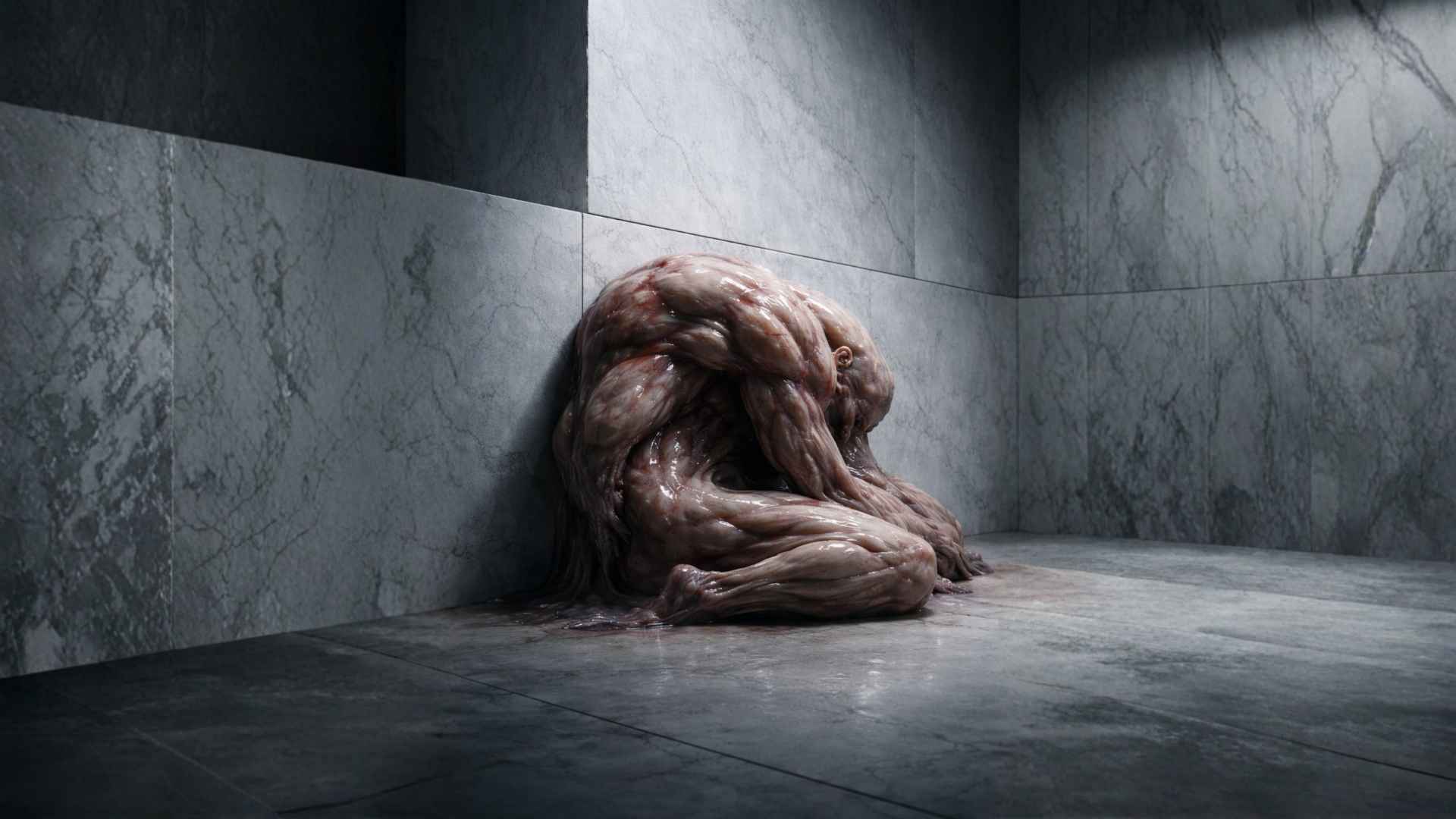
Marble everywhere. Cold. Polished. Eternal. Stone that had outlived empires and would outlive him too.
He stepped in.
And then—erasure.
No stumble. No slip. Just the sudden, violent theft of the floor.
When consciousness clawed its way back, it arrived with nausea. He was on the floor, twisted wrong, legs torn open into a grotesque symmetry—knees bent outward, pinned by geometry. His body had been arranged without his consent.
The marble did not yield.
Something inside him stretched past permission.
Tendons screamed first. Then ligaments. Then something deeper—cartilage protesting as it was asked to become something it was never meant to be. The pain didn't arrive all at once. It descended. Layer after layer. Teeth sinking in.
He tried to move.
The sound that tore out of him wasn't a scream—it was pressure. White-hot, blinding, total.
He was reduced.
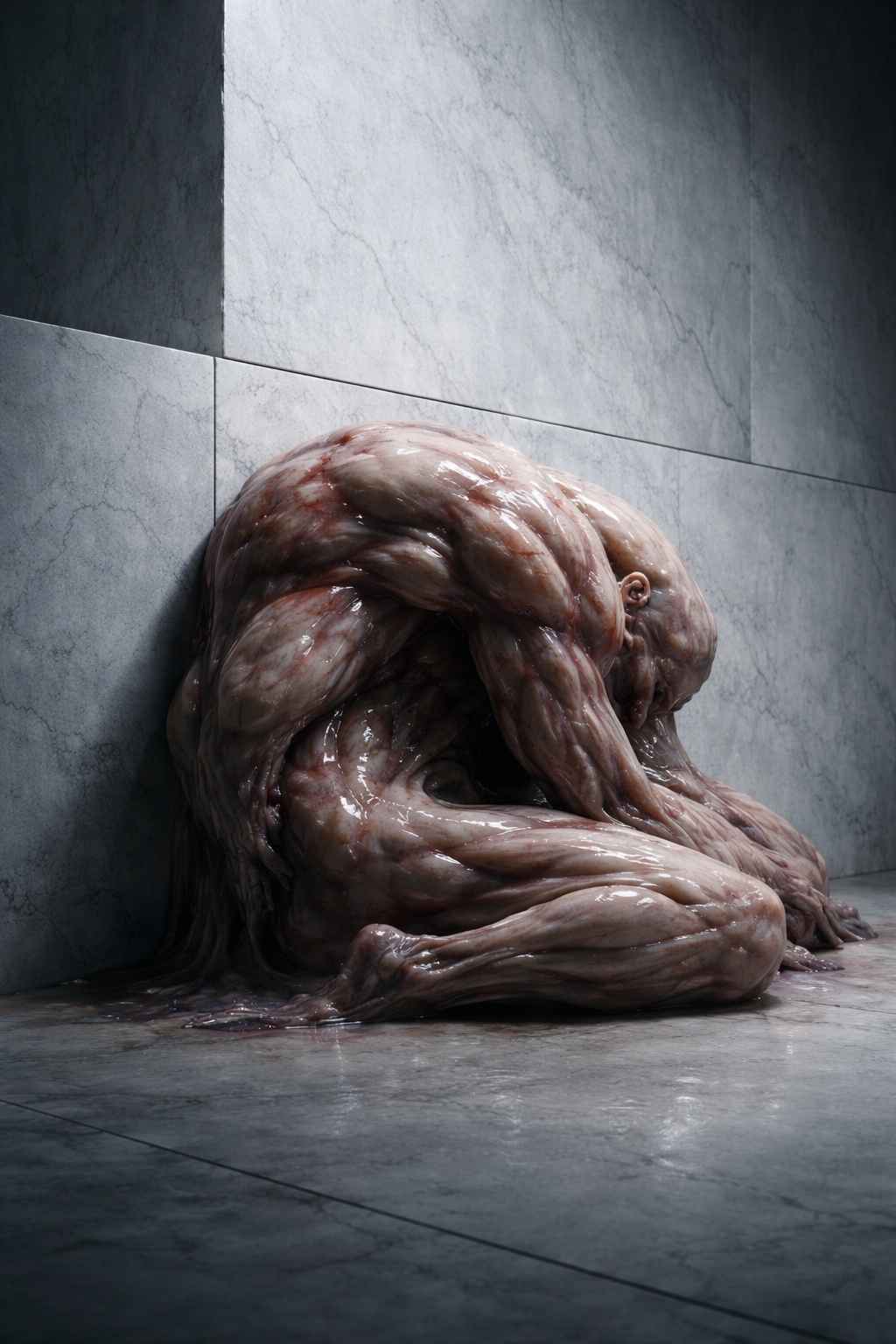
The humiliation was sharper than the break. Here lay the man who used to carry the world, now unable to carry himself. Naked. Wet. Slick with the oil that had betrayed him. A heap of trembling matter on a bathroom floor, stripped of his boyish arrogance, left only with the heavy, dead weight of a body that had turned against him.
Just meat, the pain whispered. You are just meat.
The pain had rhythm now. Pulse. Boom. Boom. Each throb an accusation. He dragged himself out of the shower, his ruined legs trailing like dead weight. The marble watched. Always watching.
When his wife found him, he couldn't speak.
Shame choked him.
But she spoke.
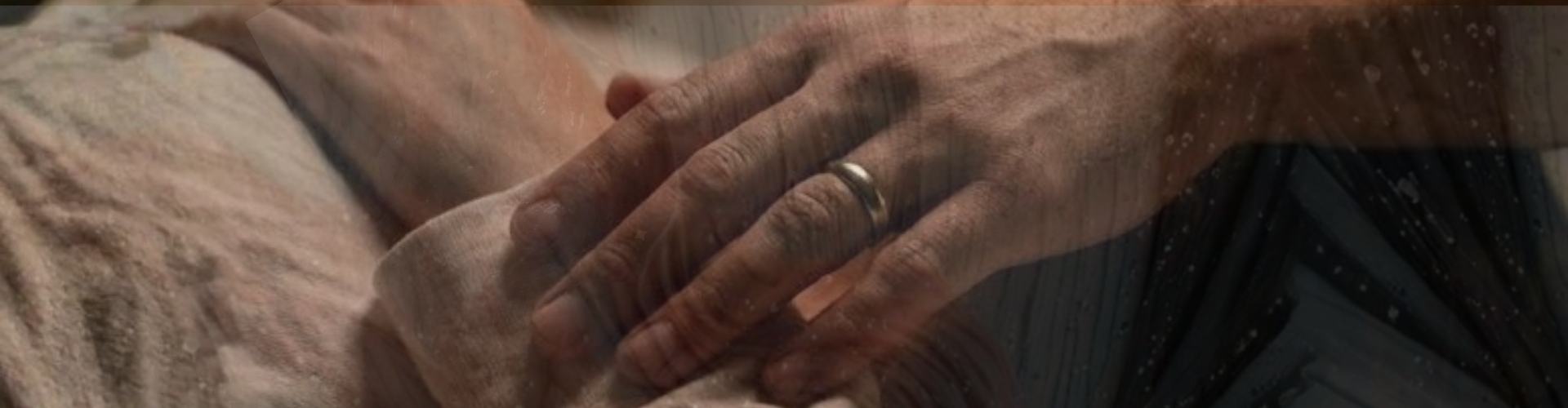
Her voice cut through the noise like a rope thrown into a pit. Her eyes did not flinch at the wreckage of him. Her hands were steady. Warm.
She jammed her shoulder under his armpit. She took the weight. She—small, soft, human—braced herself against the sudden, crushing heaviness of his collapse. To be held by her was a mercy, but to need to be held was a death.
And still—the pain followed him.
Into the bed.
Into the dark.
It nested there.
This was the psychological siege.
The pills—small, chalky promises—bought him an hour, maybe two. The chemical curtain would fall, dampening the fire, and for a moment he would remember who he used to be. He would make a joke. He would breathe.
But the relief was a lie. The pain always knew the way back.
It spiked.
It ebbed.
It spiked again.
Boom. Boom. Boom.
It was a claustrophobia of the soul. He lay in the dark, the fatigue of the illness settling over him like a lead blanket. It wasn't just the injury; it was the years of fighting his own blood, the exhaustion of waking up every morning to assess the damage, the narrowing of his world to the distance between the bed and the door.
In the quiet moments, when the room was still and his wife slept beside him, the pain took him inside. Down staircases that spiraled inward.
Is this it? the voice asked. Is this the final shape of things? To be a burden? To be broken?
The darkness pressed against his eyes. It would be so easy to let go. To let the exhaustion win. To agree with the marble that he was soft, temporary, and finished.
But he did not curse God. He did not curse fate.
He reached out in the dark, his fingers brushing the warmth of his wife's arm. He felt the slow, steady rhythm of her life.
He held on to that specific grace. It was a desperate, grasping thing—not a polite gratitude, but a fierce, bloody refusal to yield. He found something spiritual in the ruin. A defiance.
I am reduced, he thought, the sweat cooling on his forehead.
I am humbled.
I am in agony.
But I am still here.
The pain listened. It waited. It sharpened its knives for the morning.
Because pain, he learned, is patient.
And marble never forgets.
But as long as her breath rose and fell beside him, neither would he.